
Transporting bariatric patients: training, equipment and innovation
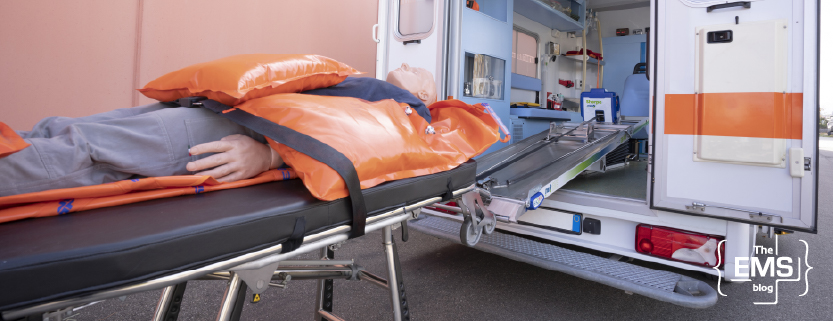
Over the past few decades, obesity has become a true global health emergency. According to the World Health Organization, it has reached epidemic proportions, with dramatic consequences on people’s quality of life and life expectancy. This phenomenon, particularly in the United Kingdom and the United States, affects not only patients but also healthcare workers, facilities, and the entire emergency system. The management and transport of patients with severe obesity—bariatric patients—pose unique challenges that require specific training, strict protocols, and appropriate equipment.
A Growing Phenomenon, a Service That Must Adapt
In the United States, obesity represents one of the most serious public health emergencies, with steadily increasing rates: approximately 42% of the population is obese, and another 31% is overweight. In this context, the transport of bariatric patients has become far from rare. Standard equipment on emergency vehicles is not always suitable for safely mobilising and transferring these patients, especially when residual mobility is minimal. In such cases, patients may suffer various complications, including respiratory, circulatory, and skin issues. Risks also extend to healthcare professionals, who are exposed to injuries during handling. As highlighted by trasportoambulanza.it, standard ambulances are not equipped for such complex cases, which can compromise both the patient’s dignity and the safety of the intervention.

The challenges related to severe obesity go far beyond reduced mobility: these patients often present comorbidities, such as type 2 diabetes, respiratory failure, and cardiovascular complications, which make transport particularly critical.
The Bariatric Ambulance: Equipment and Features
At the heart of this service lies the bariatric ambulance, designed to ensure maximum safety and comfort for patients with this condition. Compared to standard vehicles, these ambulances feature:
- Reinforced stretchers capable of supporting loads up to 500 kg, with wide and stable surfaces.
- Stretcher supports with appropriate load capacity and shock-absorbing systems.
- Electric or hydraulic lifts to facilitate patient movement.
- Larger interior spaces, allowing staff to work without obstruction.
- Enhanced restraint systems for greater stability during transport.
- Advanced medical equipment such as ventilators, multiparameter monitors, and defibrillators.
Key components include electrically powered stretchers approved for loads up to 318 kg, scissor-lift stretchers up to 220 kg, Toboga stretchers up to 268 kg, and transport sheets with 8 handles, in addition to immobilisation strap systems.
Staff Training and Operational Protocols: The Foundation of the Service
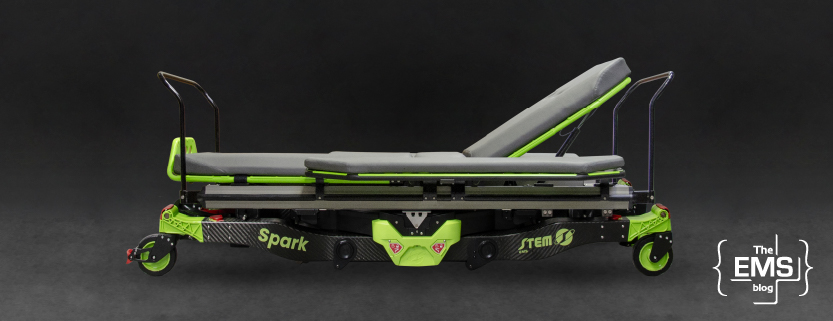
Bariatric patient transport requires a multidisciplinary approach and thorough preparation. Staff must be trained in:
- Safe handling techniques to reduce the risk of injury to both patients and responders.
- Proper use of specialised equipment, from reinforced stretchers to lifting systems.
- Emergency management related to comorbid conditions of severe obesity.
These aspects must be accompanied by adherence to specific guidelines and protocols, which include regulations for both emergency and scheduled transport, continuous maintenance of vehicles and equipment, and clear communication among all professionals involved.
The Importance of Specialised Stretchers and Supports: Stem’s Response
In the field of bariatric transport equipment, Stem stands out as a reference point thanks to its innovative solutions, designed to ensure maximum safety and operational flexibility.
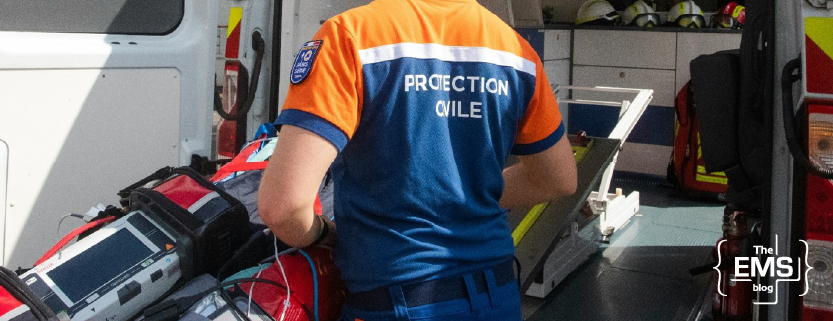
The Spark robotic electric stretcher features a modular system that increases ambulance versatility. Its modularity supports not only emergency transport but also bariatric care, with a specific module that can be switched in a matter of seconds. This allows ambulances to become operational again more quickly between services. Its robust structure, combined with side extensions adjustable up to 1100 mm, offers superior comfort to bariatric patients, while the 320 kg maximum load capacity ensures optimal safety and stability.
Discover Spark
The first robotic electric stretcher that is revolutionizing medical transport
|
|
Discover Spark by Stem |
Finally, the Optimus-XP is a next-generation stretcher support compatible with most electric stretchers on the market. Designed to handle loads of up to 550 kg, it is particularly suited for bariatric transport. Despite its slim profile, its sturdy and stable structure can withstand significant overloads. It also features a hydropneumatic suspension system that reduces vibrations caused by bumps and uneven surfaces, minimising the need for sedation during transport. In rigid mode, it can be locked at any height, making patient operations easier and safer.
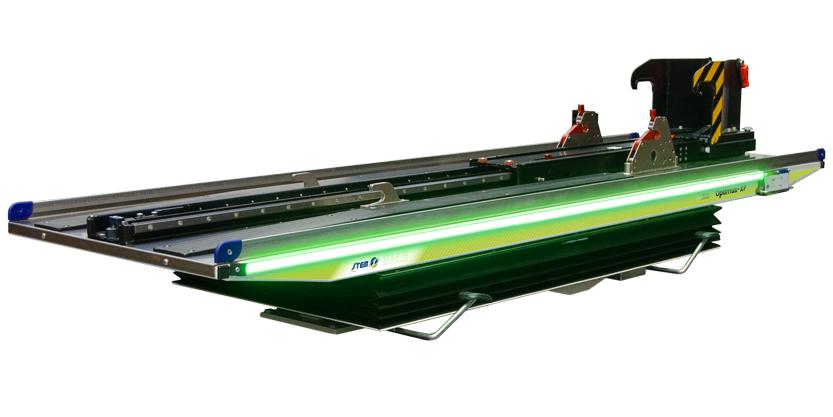 |
Optimus-XP |
Service Availability in the United Kingdom and the United States
Bariatric transport in the United Kingdom and the United States is largely managed by specialised private companies equipped with appropriate vehicles and tools. In the UK, emergency services are provided by NHS trusts, but non-urgent or particularly complex transports are often contracted out to external providers. In the US, the healthcare system is almost entirely privatised, and medical transport—including bariatric—is delivered by private companies operating through insurance coverage or out-of-pocket payment. To ensure safe and effective care, it is essential in both countries to provide detailed information when requesting the service: clinical conditions, drug allergies, patient weight, and size are all critical factors in ensuring safe and effective care.
Conclusion
Managing bariatric patients requires significant attention, respect, and competence. Every transport must be approached with proper training and cutting-edge technology. Thanks to solutions like Spark and Optimus-XP, Stem ensures high standards in bariatric transport, helping to reduce healthcare disparities and improve the quality of life for those living with severe obesity.