
MedEvac: medical evacuation in complex scenarios

In emergency situations, such as armed conflicts and natural disasters, urgent medical transport plays a vital role in ensuring that patients receive timely admission to appropriate healthcare facilities, while also guaranteeing the necessary medical support during the transfer.
The international term that defines this service is MedEvac (Medical Evacuation), used to indicate the transport of injured individuals or those in need of medical care—whether urgent or not—from one location to another. The objective is to deliver the required medical assistance as quickly as possible.
In this article, we will explore the various transport methods, the circumstances under which MedEvac is activated, and the protocols for medical evacuation.

Purpose of MedEvac and Conditions for Activation
MedEvac allows for the provision of medical care to patients who cannot be treated at the scene of the emergency. It involves the urgent transfer of patients from areas with inadequate medical facilities or hazardous environments to well-equipped hospitals. This service is frequently associated with military operations, natural disasters, or emergencies where rapid evacuation is essential for survival.
According to Globalcharter, during a medical evacuation, the primary goal is to quickly transfer patients from the scene of an incident or from a field hospital to a fully equipped medical facility. MedEvac is typically activated in the following scenarios:
- When urgent medical aid is required in remote areas or locations with limited accessibility;
- When evacuating from damaged or non-operational healthcare facilities;
- When relieving pressure on hospitals experiencing a patient influx that exceeds their operational capacity.
Transport Modalities
MedEvac operations typically take place either by land or air, involving a range of transport vehicles — both military and civilian — depending on the operational context:
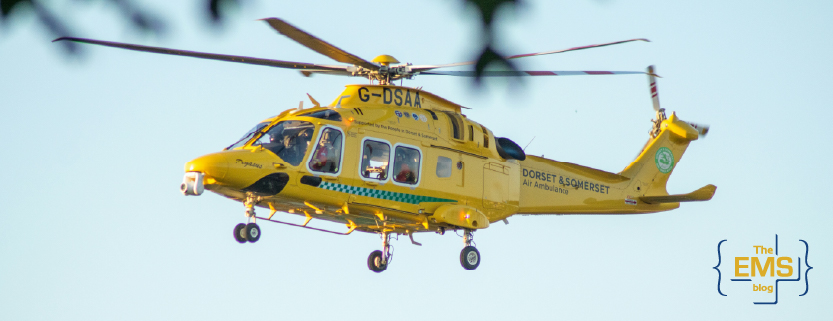
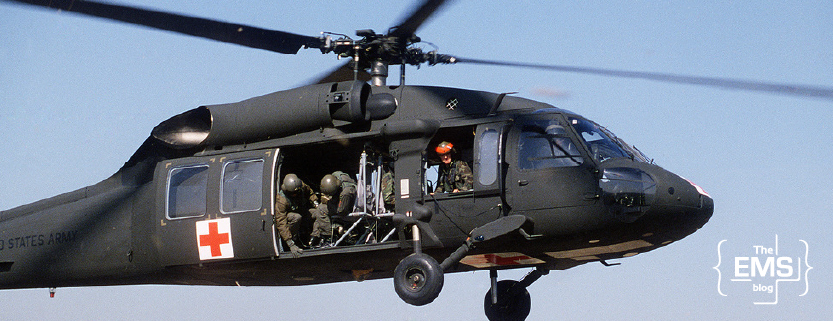
- Medical helicopters (rotary-wing aircraft): allow for direct pick-up and drop-off of patients between the emergency site and the hospital.
- Medical airplanes (fixed-wing aircraft): usually require integration with ground transport to complete the evacuation process.
- Ground vehicles: employed when air or sea transport is unnecessary or impractical.
The choice of vehicle depends on the terrain and the severity of the situation.
A Real-World Case: Italy’s MedEvac Service in the Russia-Ukraine Conflict
Since the outbreak of the Russia-Ukraine conflict, Italy has activated a MedEvac service to transfer patients from Ukraine, via neighboring countries, to Italian healthcare facilities. The transport is carried out using vehicles from the National Civil Protection Service or donated private flights, with medical personnel provided by regional health services.
The MedEvac operation for these patients involves two dedicated medical teams with distinct responsibilities:
- Transfer medical team: ensures assistance to patients and accompanying persons during the journey, and coordinates handover to the receiving hospitals, as designated by CROSS (Remote Centre for Health Emergency Operations).
- Medical assessment team (Scouting team): operates on-site to identify patients, assess their condition, determine priority and feasibility of transfer, and provide pre-boarding care.
This service is complemented by the DisEvac (Disability Evacuation) module, designed to support the protected evacuation of vulnerable individuals or those with special needs. In Italy, the Misericordie DisEvac module ensures the long-distance transport of individuals with reduced mobility, providing them with appropriate care throughout the journey.
A Europe-Wide Operation
Italy is not alone in this effort—countries across Europe have actively participated in medical evacuation operations. According to the European Commission, more than 3,000 Ukrainian patients have been transferred to European hospitals since the war began. Activated in March 2022, the EU Civil Protection Mechanism, has enabled medical evacuations to 22 countries, including France, Germany, Italy, Spain, Austria, Sweden, and Hungary.
This is the largest medical evacuation operation ever coordinated by the ERCC (Emergency Response Coordination Centre) of the European Commission, which manages disaster relief efforts, deploying rescue equipment, expertise, civil protection teams, and specialized tools.
A key element of this mission is the EU MedEvac Hub in Rzeszów, Poland, which serves as a transit center for patients evacuated from Ukraine before their onward transfer to hospitals across Europe. At the hub, patients receive continuous nursing care 24/7.

Frontline Emergency Protocols
MedEvac follows international protocols to ensure safe and effective transport, which are particularly critical in military contexts. In such scenarios, evacuation requests must be carefully assessed to avoid delays in care. The process typically unfolds in four stages:
- Return fire: The area must be secured before a MedEvac request is initiated, to avoid compromising the defensive capability of the unit.
- Medical assessment: Medical personnel assess the severity of injuries and the need for immediate evacuation.
- Evacuation request: Command sends a MedEvac request, detailing critical information such as location, number of casualties, and medical conditions.
- Transport and stabilization: The patient is evacuated and receives further medical care until arrival at a specialized facility.

MedEvac is a cornerstone of emergency response, in both civilian and military settings. Through a coordinated network of air, land, and sea transport, it saves lives by delivering timely medical care to those who need it most. Whether in the face of a natural disaster, an armed conflict, or a public health crisis, MedEvac remains a fundamental pillar of emergency medical assistance.
Follow The EMS Blog for more updates on the world of emergency care.