
The German Health Emergency: EMTS Shortage, Increased Calls
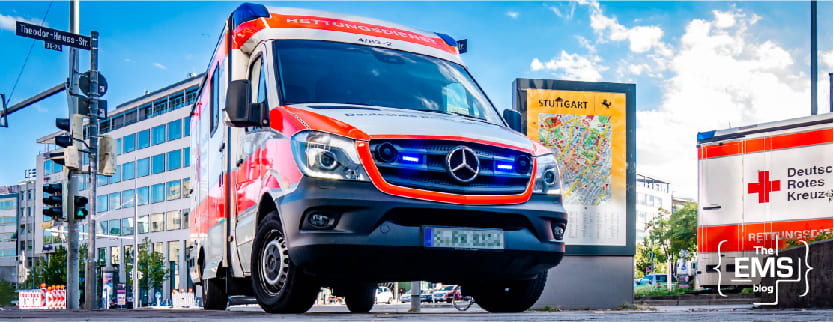
In the midst of an acute and pressing emergency, the German health emergency system faces a critical juncture. With staff (EMTS) and ambulance shortages pressing on the entire system, the country finds itself in an unprecedented struggle to maintain the quality and timeliness of medical care. In Berlin, the nation’s beating heart, the number of calls to the emergency service has reached alarming levels, exposing a reality that extends far beyond the capital’s borders. In this complex context, the urgent need for timely interventions by healthcare institutions and the government becomes evident, in order to ensure reliable and safe healthcare for all German citizens.
Staff (EMTS) Shortage and Ambulances: Challenges and Solutions in the German Health Emergency
The shortage of staff (EMTS) and ambulances is putting a strain on the German health emergency system, pushing it to the brink of collapse. In recent years, the number of emergency service calls in Berlin has grown significantly, recording a 40% increase between 2013 and 2021, with an alarming total of 425,000 calls per year.
This critical situation is widespread throughout the country, with emergency rooms struggling to cope with the growing demand for assistance. A state of emergency is declared as soon as 80% of ambulances are on duty. And as well when it is no longer possible to meet the prescribed response time of 10 minutes. These exceptional circumstances have almost become the rule. However, they also increase the risk of an ambulance accident.
Many facilities, such as Leipzig University Hospital, have recently issued appeals to limit the influx of non-urgent patients.
The reality is that emergency service cancellations have become commonplace. In peak situations, some emergency rooms may be authorized to suspend the admission of new patients, as they can no longer guarantee adequate care. At times, patients must be transferred to distant clinics due to the saturation of nearby facilities.
The increasing demand for assistance is met with an undersized workforce and a shortage of ambulances, thus jeopardizing both patient and staff health. The situation has reached critical levels, with many ambulances far exceeding the expected daily number of interventions, posing risks to both patient and staff well-being.
Furthermore, the state government’s decision to extend an exemption. They are allowing the use of partially trained assistant paramedics instead of fully trained emergency paramedics or so called EMTS. Along with the frequent admission of vehicles from patient transport companies in emergency situations. All together indicates a worrying trend towards the permanent deterioration of emergency care quality.
Serious Implications of Staff (EMTS) Shortages
The consequences of this situation are disastrous. In multiple cases, patients must wait hours for an ambulance, risking further compromising their health conditions and in some cases even endangering their lives. In other situations, ambulances with EMTS are forced to transport patients to distant hospitals, causing delays in medical treatments and thus increasing the risk of complications for patients.
Frank Flake, president of the German Professional Association of Emergency Medical Services (DBRD), has highlighted the seriousness of the situation. He is stating that “there is significant pressure to intervene” and that “the system is in a state of collapse,” with frequent missed emergency responses.
Urgent and Necessary Solutions: A Call to Healthcare Authorities and the Government
It is imperative that German healthcare authorities and the government adopt immediate and effective measures to address this crisis.
Urgent recruitment of qualified personnel is essential to reduce waiting times and improve the quality of emergency healthcare, as well as the work of the EMTS.
Moreover, it is crucial to invest in the purchase of new ambulances and the upgrading of medical equipment to ensure that healthcare workers have the necessary tools to respond promptly to emergency calls.
This crisis cannot be ignored or neglected. The future of the health security of German citizens depends on the immediate actions of the competent authorities. Only through a decisive and rapid response will it be possible to protect the lives and well-being of citizens and restore a reliable and safe emergency healthcare system for all.
Conclusion: EMTS Shortages and Increased Calls
Crucial Investment: Staff (EMTS) and Equipment
The crisis in the German emergency healthcare service is a dramatic testament to the consequences of superficial policies and lack of preparation. The staff shortage, neglected for years, has now erupted into an emergency situation. And now it requires immediate and well-coordinated intervention by German healthcare authorities and the government.
To effectively address this challenge, substantial investment in human and training resources in the healthcare sector is essential. However, investment in new and upgraded ambulances is equally crucial. New ambulances must be equipped with cutting-edge technologies and equipment to ensure prompt and effective intervention during emergencies. This includes advanced patient monitoring systems, equipment for cardiopulmonary resuscitation, devices for safe and comfortable patient transport. As well as the availability of essential medications and diagnostic tools.
Furthermore, it is essential to consider environmental sustainability when purchasing new ambulances.
By opting for models with low environmental impact and reduced energy consumption, we can ensure more environmentally sustainable healthcare for future generations. Integrating cushioned supports and electric stretchers, such as those offered by STEM Ems, is a further step towards improving the efficiency and safety of rescue operations.
Countries like Switzerland have long adopted electric stretchers as standard. However, the importance of cushioned support is still widely underestimated, even in the most advanced nations. This factor is crucial to ensure patient comfort during transportation, but often does not receive the attention it deserves.

|
Discover Spark by Stem. |
Preparation of Operators and Advanced Technologies
Training and preparation of new healthcare operators or EMTS are a priority in Germany. However, unfortunately, without an increase in competent personnel and improvement in ambulance infrastructure, thorough and rigorous training alone will not be sufficient to address the current crisis in the healthcare emergency system.
Ambulance Infrastructure: Comfort and Safety
It is essential to ensure fair access to emergency services in all regions of the country. Currently, many rural and remote communities in Germany face significant challenges in accessing emergency healthcare services. Long distances to reach hospital facilities and extended ambulance response times can jeopardize the lives of patients in emergency situations.
This scenario requires careful planning and strategic resource distribution to ensure that even the most remote areas of the country have timely access to emergency healthcare services.
Challenges and Prospects for Rural and Remote Communities
Interventions such as the implementation of first aid points in rural communities and the use of innovative technologies, such as telemedicine, can help bridge the gap in access to emergency healthcare services. As well as to ensure adequate assistance to all individuals, regardless of their geographical location.
Only through concrete and long-term commitment will it be possible to overcome this crisis. And to restore a reliable and safe emergency healthcare system for all German citizens.
Close and synergistic collaboration between public institutions, healthcare organizations, and the local community is essential to build a better future for the German healthcare system, ensuring quality healthcare to those in need.
To ensure a healthcare environment that inspires trust and safety across the nation, the health and safety of citizens should be at the forefront of every decision and action.
To discover more about the healtcare crisis in Germany, read this article Healthcare crisis: Germany invests in EMS operators!