
Florida Hurricane Milton: Timely Rescues Save Thousands of Lives
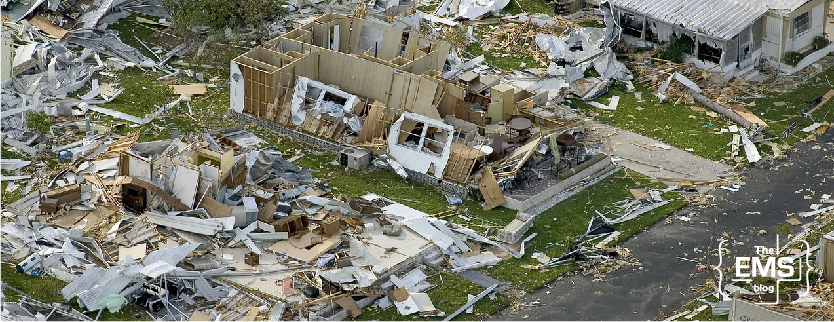
The Florida Hurricane Milton, one of the most intense storms in recent history, struck Florida with devastating force, causing dozens of deaths, widespread blackouts, and unprecedented flooding. While rescue efforts saved thousands of lives, Milton raises important questions about disaster preparedness and the link between extreme weather events and climate change.
The recent Florida Hurricane Milton shocked Florida, leaving widespread devastation and testing the country’s emergency response systems. As reported by The Independent, Milton reached Florida’s western coast near Sarasota on October 9, claiming at least 14 lives, causing millions of power outages, and inflicting incalculable economic damage. The impact of Milton, which followed Hurricane Helene only two weeks prior, offers crucial insights into the growing challenges of natural disasters and the importance of disaster preparedness and prevention.
Destructive Power and Characteristics
Florida Hurricane Milton made landfall on Florida’s western coast on the evening of October 9, battering the region with winds reaching 200 km/h and storm surges raising water levels by up to 4 meters.

The high humidity, combined with elevated ocean temperatures due to climate change, made Milton one of the most powerful hurricanes of the season, creating conditions for the formation of additional secondary storms.
Milton’s advance inland caused flooding and landslides, damaging critical infrastructure and isolating entire communities. This event was further exacerbated by the recent devastation caused by Helene, which had already left vast areas of the Southeastern United States vulnerable and lacking adequate resources.

Tornadoes and Secondary Damage: Florida Hurricane Milton and Extreme Weather Events
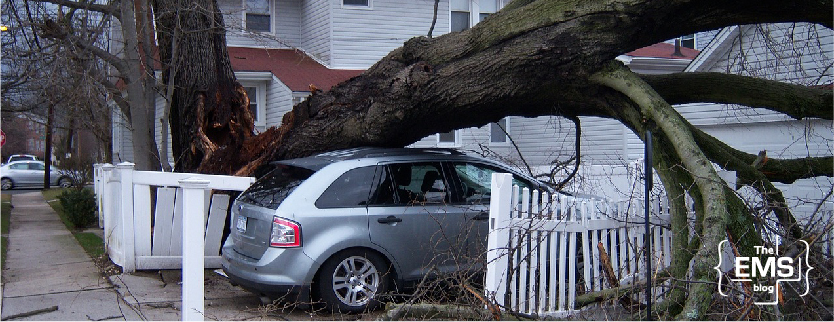
One of the most devastating effects of Milton was the intense tornado activity that accompanied the hurricane. More than 50 tornadoes were reported across Florida during Milton’s passage, destroying homes, overturning vehicles, and causing the majority of fatalities and injuries. These unexpectedly violent tornadoes struck suddenly in various cities of central Florida, leaving millions without power and devastating entire neighborhoods. Meteorologists had warned that tornadoes were among the four major hazards linked to Milton (along with violent winds, torrential rains, and storm surges), but they did not predict that all these threats would materialize simultaneously. Moreover, the tornadoes that formed were particularly intense and prolonged.

Similar phenomena are not isolated cases. Spain recently experienced extreme weather when the Valencian Community was struck by a tornado during a flash flood. Between October 29 and 30, a violent flood hit the region, causing rivers to overflow and blocking many communication routes. During the emergency, a powerful tornado formed from the sea and struck the Valencian coast, creating panic. A viral video showed a truck driver being swept away by the storm on a highway, as gusts of wind overturned trucks and bent power lines. Amet, Spain’s meteorological service, attributed the disaster to the Dana phenomenon, comparing it to major storms from the 1980s, further highlighting the unpredictability and destructive force of nature.
These events highlight the importance of carefully monitoring secondary phenomena, such as tornadoes and flash floods, which can amplify the already devastating effects of major storms.
The Role of Rescue Operations and Preventive Measures in Florida
Florida Hurricane Milton would have caused even more devastation had it not been for the preparedness of authorities, who considered the storm “a matter of life and death.” In the days leading up to Milton’s arrival, mass evacuations were ordered across western Florida, with particular attention paid to areas at risk of storm surges up to 4.5 meters. Approximately 6 million people left their homes in one of the largest evacuations in Florida’s history.

The swift and coordinated rescue efforts played a crucial role during the emergency. From the moment the hurricane approached, mandatory evacuations saved tens of thousands of lives. Authorities, aware of Milton’s unprecedented strength, avoided underestimating the threat.

Over 340 people were rescued during emergency operations, including elderly evacuees from a nursing home in Tampa. National Guard helicopters and rescue teams operated under extreme conditions, showcasing the preparedness of first responders. More than 20 rescue teams and 135,000 agents, as noted by Il Post, were mobilized in the affected areas, rescuing people from flooded buildings and vehicles. In total, 20 million meals and water supplies were distributed to support those left without resources.
Climate Change and Extreme Weather Events: A Global Issue
The causes of Florida Hurricane Milton, like many recent extreme events, are closely tied to climate change. According to scientists, as reported by Internazionale, Florida, the third most populous state in the U.S., is frequently hit by hurricanes, but climate change is increasing their intensity due to rising ocean temperatures. Experts state that climate change creates ideal conditions for the formation of ever-stronger tropical cyclones and, as in the case of Milton, the formation of extreme secondary events like tornadoes.

These events, including recent natural disasters in Europe, such as floods in Austria, Czech Republic, Italy, Spain, Poland, and Romania, underscore the need for a global response to climate change and a more effective monitoring system to mitigate the risks to affected populations.
Rescue Structures in Different Countries
In the face of natural disasters, countries adopt rescue strategies based on resources, priorities, and territorial specifics. The recent emergencies in Florida and Valencia, although vastly different in intensity and context, show how a coordinated, preventive response is key to minimizing damage and protecting human lives. Here is an overview of major international approaches:
Italy
The Civil Protection Department coordinates interventions in the case of natural disasters and other emergencies like earthquakes, floods, or health emergencies. Its operational tools include “mobile columns,” regional rescue teams ready to be deployed across the territory. Italy’s Civil Protection follows the Civil Protection Code, which establishes rules and procedures for managing emergencies.
France
The Direction Générale de la Sécurité Civile et de la Gestion des Crises (DGSCGC) relies on a centralized yet flexible model, coordinating national resources such as the Sapeurs Pompiers and the French Red Cross. Through the ORSEC plan, it ensures a modular response depending on the severity of the event.
Germany
The Bundesamt für Bevölkerungsschutz und Katastrophenhilfe (BBK) adopts a decentralized approach, involving the Länder (federal regions) directly and using the MoWaS system to alert the population. BBK works closely with the Technisches Hilfswerk (THW), a volunteer network specialized in technical and logistical support.
Spain
The Dirección General de Protección Civil y Emergencias is responsible for managing catastrophes. During disasters such as floods and storms, it activates the Plan Estatal de Protección Civil, which coordinates resources both locally and nationally and includes security forces and health services. It works closely with the Unidad Militar de Emergencias (UME), which specializes in large-scale emergencies both in Spain and abroad.
United States
FEMA (Federal Emergency Management Agency) is the primary agency in the U.S. for managing natural disasters. It activates multiple response levels based on the severity of events, coordinating federal and local resources for immediate relief and evacuation plans. It also uses the Integrated Public Alert and Warning System (IPAWS) to send emergency alerts.
Despite differences, there are general principles all nations should follow to ensure population safety. Among them, the establishment of a rapid alarm system, timely evacuation plans, citizen training, and immediate assistance to survivors are essential.
How to Face a Hurricane: Practical Safety Tips
In the event of a hurricane, it’s crucial to take preventive safety measures and know the actions to protect yourself and your family. Here are some practical tips:
- Prepare an emergency kit with non-perishable food, drinking water, flashlights, batteries, essential medications, and important documents in a waterproof container.
- Create a family evacuation plan and establish safe meeting points while knowing local evacuation routes.
- Regularly check weather conditions and official bulletins. Follow official instructions carefully.
- Reinforce doors and windows with hurricane protections, such as wooden panels or special shutters, to minimize damage from the winds.
- Move to safe areas away from rivers, coasts, and other flood-prone areas.
- Stay in touch with family and neighbors, sharing information about safe shelters and available assistance.
Florida Hurricane Milton demonstrated how nature can still challenge human preparedness, but it also highlighted successes achieved through a coordinated and preventive response. However, the increasing occurrence of such extreme events due to climate change calls for a global commitment to developing more effective prevention policies. Events like those in Valencia and Florida serve as wake-up calls, urging countries to collaborate, improve rescue infrastructures, and raise awareness among populations.
To stay updated on the world of rescue operations, keep following The EMS Blog!