
Emergency medical technicians in the UK and the USA

An emergency response in an ambulance is never the work of just one person. It is the result of a well-coordinated synergy among highly qualified professionals. Among them, Emergency Medical Technicians (EMTs) play a crucial role in both the United Kingdom and the United States: they are often the first to act, providing immediate care and helping to stabilise the patient during transport to the hospital.
In this article, we will explore who Emergency Medical Technicians are, what their responsibilities are, and how to pursue this career in the UK and the USA.

United Kingdom: Paramedics, EMTs, and Emergency Care Assistants
In the United Kingdom, emergency medical care is primarily managed by NHS Ambulance Services, coordinated through 11 regional trusts. Roles are regulated by the Health and Care Professions Council (HCPC) and clearly defined in distinct levels.
Key Roles
- Paramedic: A university-qualified professional authorised to perform advanced interventions such as intubation, drug administration, and managing critical emergencies. Paramedics are at the heart of British ambulance crews. Their training covers subjects such as physiology, pharmacology, acute pathology, advanced resuscitation techniques, and trauma care, alongside an internship with NHS ambulance services.
- Emergency Care Assistant (ECA): A support role that assists paramedics and technicians. ECAs have basic training and are also responsible for driving the ambulance.
- Emergency Medical Technician (EMT): A healthcare technician capable of managing moderately serious interventions, providing basic life support, administering oxygen, and using an AED. EMTs typically complete a certified vocational course, usually lasting 12–18 months, offered by accredited training institutions.
United States: A Multilevel and Decentralised System
In the United States, emergency medical care is organised at the state and local levels. Roles are defined by the National Registry of Emergency Medical Technicians (NREMT) and by individual state health departments. The system has three main levels:
- EMR (Emergency Medical Responder): provides basic life support while awaiting advanced care.
- EMT (Emergency Medical Technician): Conducts clinical assessments, administers certain medications, and manages patient transport. EMT training generally involves around 150–200 hours and concludes with a theoretical and practical exam.
- Paramedic: A highly trained professional capable of performing intubations, administering intravenous medications, reading ECGs, and conducting advanced defibrillation. Paramedic training includes 1,200–1,800 hours, often linked to an Associate Degree (two years), and requires passing the NREMT-P exam.
Responsibilities of Emergency Medical Technicians
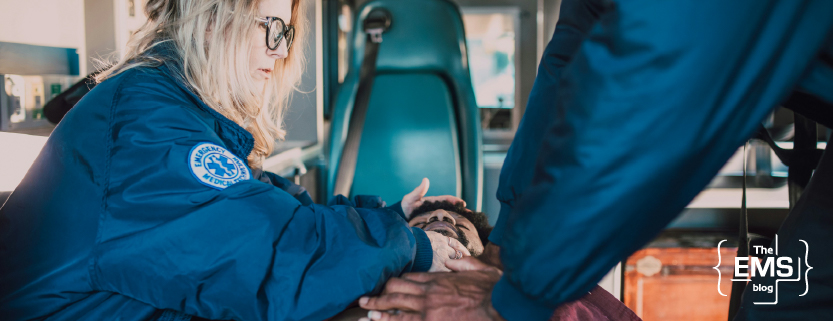
EMTs working on ambulances typically perform two main roles: interfacility transport (IFT) and 911 emergency response, the latter being the more widely recognised role.
As reported by Students residents, l’IFT involves scheduled, non-urgent transport between healthcare facilities and homes for patients who require medical monitoring during transit, such as fluid administration, oxygen therapy, special positioning, and vital sign management. Typical IFT patients include those requiring dialysis transport or those discharged from rehabilitation centres to home.
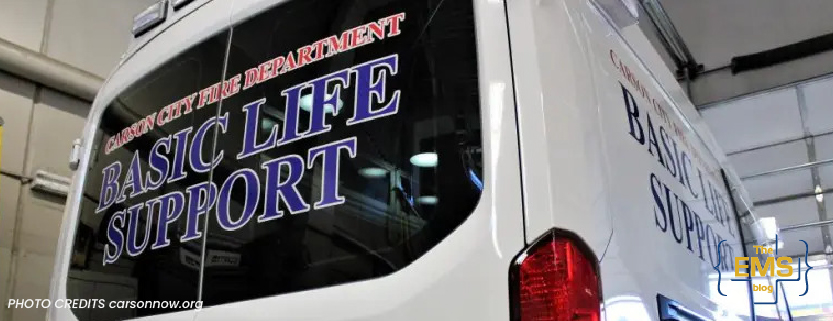
In the 911 emergency response system in the United States, EMTs mainly work on BLS (Basic Life Support) ambulances, handling interventions requiring basic care such as cardiopulmonary resuscitation (CPR), oxygen administration, and use of the automated external defibrillator (AED). BLS ambulances are generally staffed by two EMTs.
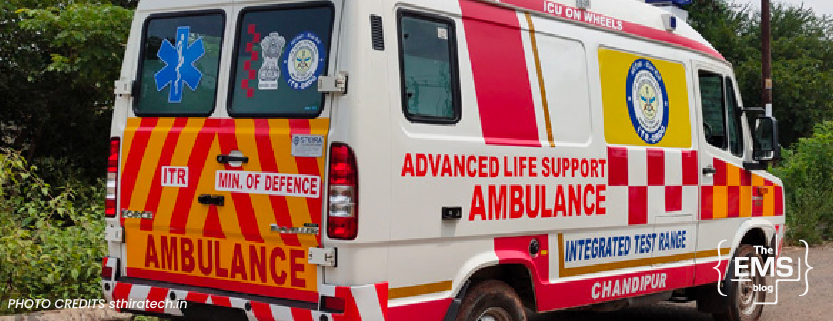
For more critical emergencies, ALS (Advanced Life Support) ambulances are deployed, staffed by at least one paramedic qualified to provide advanced interventions like intubation, intravenous drug administration, and ECG interpretation. ALS units typically respond to life-threatening emergencies such as cardiac arrests or gunshot wounds, where a higher level of care is crucial.
Conclusion
In both the UK and the USA, Emergency Medical Technicians are a vital presence in emergency medical systems. Although training paths and competencies differ, they all share the same goal: to respond quickly and effectively to help those in critical need. This role is challenging in many ways but also provides a profound sense of responsibility and purpose. Every day is different, and every intervention leaves its mark – on both those receiving help and those providing it.
Keep following The EMS Blog to stay updated on the world of rescue and emergency care.